

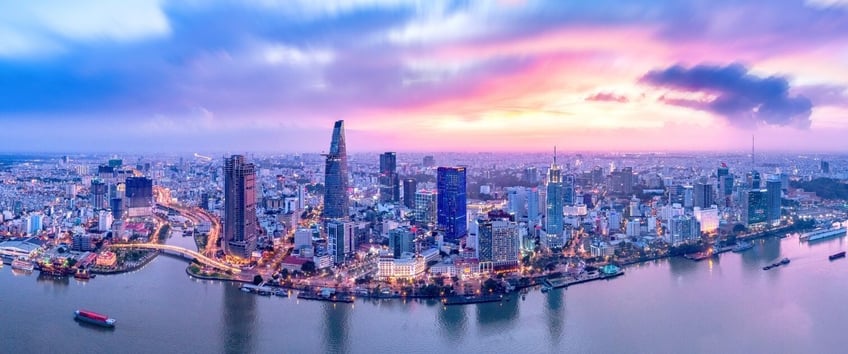
Much like its dynamic neighbors in Southeast Asia, Vietnam is embarking on an ambitious journey – one that seeks to firmly establish it as a high-value, technology-driven economy. At the very core of this vision lies a significant and ongoing investment in modern infrastructure, all designed to sharpen its competitive edge, streamline logistics, and draw in even more foreign direct investment. It's clear the Vietnamese government is all-in, with substantial budgets and aggressive timelines underscoring a truly transformative national agenda.
Vietnam's strategic infrastructure push isn't just about one or two big projects; it’s a multifaceted effort, targeting crucial areas that are absolutely vital for robust economic growth and deeper global integration.
A Seamless Web of Connectivity: Expressways and Railways
At the very heart of Vietnam’s transport revolution are its rapidly expanding road and rail networks. The country has its sights set on completing an impressive 3,000 kilometers of expressways by the close of 2025, with an even more ambitious goal of 5,000 kilometers by 2030. Key projects here include the pivotal North-South Expressway (Eastern Section), which promises to dramatically cut travel times and logistics costs across the nation, alongside critical ring roads in bustling urban centers like Hanoi (Ring Road 4) and Ho Chi Minh City (Ring Road 3)—all designed to untangle congestion and boost urban mobility.
Beyond the asphalt, Vietnam is revving up its railway development. The long-anticipated North-South high-speed railway, with its first phase aiming for completion by 2035, stands as a monumental undertaking poised to completely redefine inter-city travel and freight movement. There is also a strong focus on strengthening railway connections to major transport nodes and into China. The Lao Cai-Hanoi-Haiphong railway will enhance the efficiency of cross-border trade and streamline cargo movement to Hai Phong Port. On the urban front, new metro lines in Hanoi and Ho Chi Minh City are set to vastly improve public transport, linking industrial hubs with residential areas and making it easier for the workforce to move around.
Global Gateways: Airports and Seaports
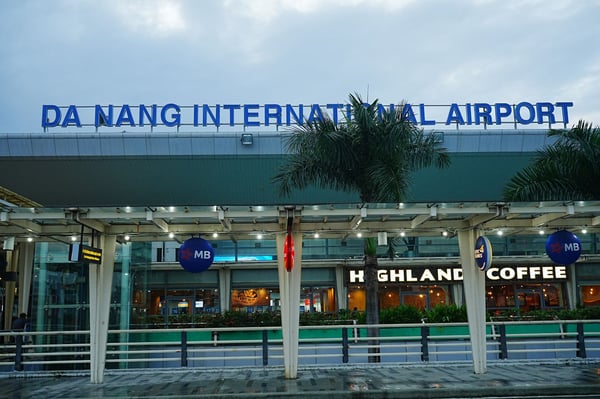
Vietnam, recognizing the critical role of air and sea logistics, is significantly investing in its aviation and maritime infrastructure. A prime example is the massive Long Thanh International Airport in Dong Nai province, with its first phase largely expected to conclude by late 2026 and full operation anticipated after 2036. The construction of a passenger terminal in this initial phase will establish Long Thanh as the nation's largest airport, providing much-needed relief to the incredibly busy Tan Son Nhat International Airport in Ho Chi Minh City. Similarly, Gia Binh International Airport will help alleviate congestion at Noi Bai International Airport in Hanoi by supporting wide-body aircraft like the Boeing B777, B787, and Airbus A350. Furthermore, Da Nang International Airport, strategically located in a crucial commercial city, is set to significantly increase Terminal 1's passenger capacity by 2026. Other airports, including Tan Son Nhat's Terminal 3 and regional hubs like Dien Bien and Con Dao, are also undergoing expansions and upgrades to boost their overall capacity.
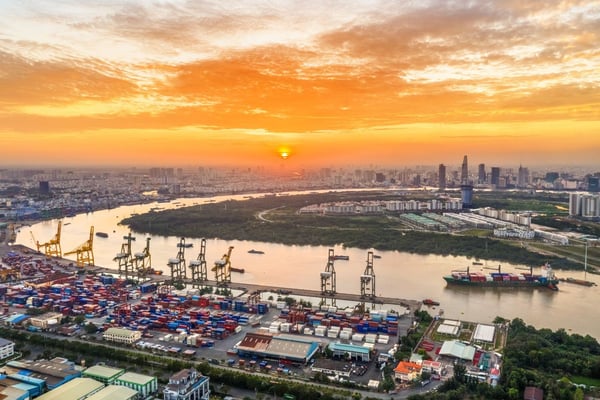
Down by the coast, major seaports are undergoing extensive modernization and expansion. Projects like the Lach Huyen deep-water port in Hai Phong are crucial for handling larger vessels and speeding up cargo operations. And the recent decision to invest in the Can Gio international transshipment in Ho Chi Minh city hub further highlights Vietnam's ambition to become a dominant regional logistics player, aiming to increase its overall seaport capacity by a full 50% by 2030.
The Digital Backbone: Information and Communication Infrastructure
But it’s not just about physical transport; Vietnam is also making hefty investments in its digital infrastructure, recognizing it as an absolutely fundamental pillar for a modern economy. The Master Plan for Information and Communication Infrastructure aims to build out high-speed, high-capacity broadband networks, extend 5G mobile broadband coverage to 99% of the population, and drive the transition to IPv6 technology by 2030. Crucially, the development of large-scale, green data centers and specialized IT parks is also key to fostering technological innovation and supporting Vietnam's strategic shift toward high-tech industries.
Expeditors in Vietnam
Building on Vietnam's ambitious infrastructure development and its commitment to becoming a high-value, technology-driven economy, Expeditors is ideally positioned to help businesses capitalize on these opportunities. Our deep understanding of the Vietnamese market, combined with our comprehensive suite of global logistics solutions, ensures your supply chain operations are efficient, reliable, and compliant.
Our services are designed to seamlessly integrate with Vietnam's evolving landscape:
- Ocean and Air Transportation: Leveraging the nation's expanding port and airport capacities, we provide a complete suite of solutions, including consolidated and chartered air freight, as well as FCL and LCL ocean freight. Our expertise ensures smooth movement of goods through global gateways and modernized deep-water ports.
- Ground Transportation: As Vietnam's expressways and railways expand, we offer a range of core and specialized ground transportation services, including white glove deliveries, final-mile solutions, and temperature-controlled transport, connecting your goods efficiently across the country and into neighboring regions.
- Distribution Services: With Vietnam's push for advanced IT parks and data centers, our warehousing and distribution solutions provide seamless supply chain connectivity. We offer various fulfillment and inventory management services, helping you manage your goods within and beyond Vietnam's borders.
- Customs Brokerage Services: Navigating Vietnam's regulatory environment is crucial for seamless trade. Our in-house customs knowledge and expertise ensure trusted brokerage services, regardless of your goods' final destination. Our customs clearance services are available in Da Nang, Hanoi, and Ho Chi Minh City.
As Vietnam transforms into a key player in global trade and manufacturing, partnering with Expeditors in Vietnam offers the strategic advantage you need to optimize your logistics and enhance your competitive edge. To learn more about how Expeditors can support your business in this dynamic market, contact your Expeditors representative today.