

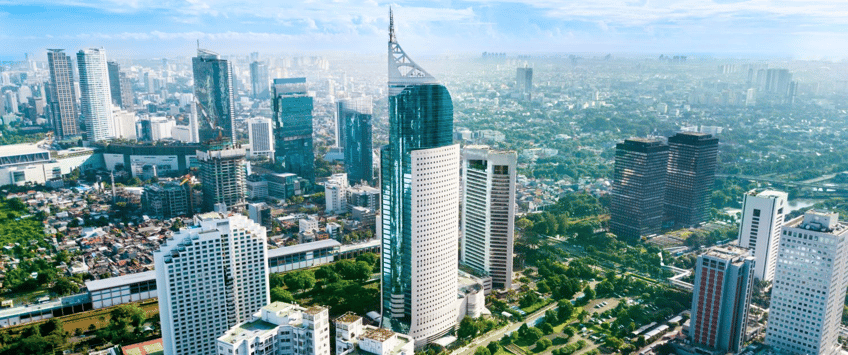
Indonesia, the world’s largest archipelago, is investing heavily in infrastructure to strengthen its role in global trade. With over 17,000 islands and a population exceeding 270 million, efficient connectivity is critical for economic growth. Recent projects span airports, seaports, toll roads, and special economic zones (SEZs), creating a more integrated logistics network across Java, Sumatra, Kalimantan, and beyond.
These developments aim to reduce logistics costs while supporting industries such as automotive, electronics, FMCG, textiles, and energy. Positioned at the heart and the biggest economy of Southeast Asia, Indonesia’s upgraded gateways will not only serve domestic needs but also enhance regional supply chain resilience and connectivity.
Airports Driving Connectivity and Cargo Growth
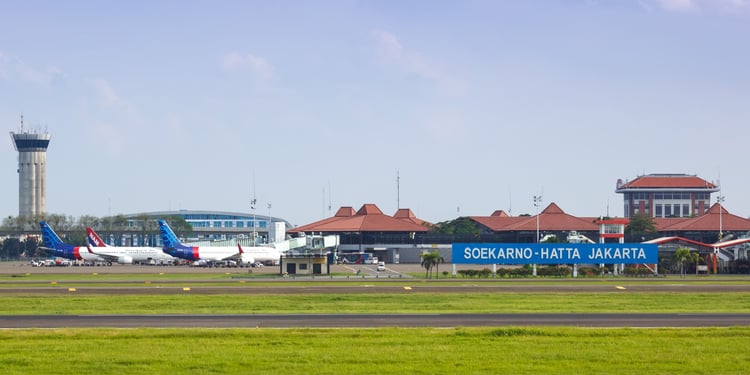
Jakarta’s Soekarno–Hatta International Airport is undergoing major upgrades, including Terminal 4 expansion and an Integrated Cargo Village that will lift cargo capacity to 1.5 million tons annually. These improvements, combined with rail and toll-road links, will streamline cargo handling and improve access for manufacturers in Greater Jakarta. For exporters managing tight production schedules, this means fewer delays and more predictable cut-off times.
Kertajati International Airport in West Java adds flexibility for shippers by connecting directly to toll roads serving Bekasi, Karawang, and Subang industrial zones. Its proximity to Patimban Port supports multimodal strategies, while plans for an aerospace cluster and MRO center signal long-term growth in automotive and aviation sectors. Ahmad Yani and Yogyakarta International Airports complement this network with warehousing, commercial zones, and a rail link, giving Central Java exporters a modern option close to production sites.
Together, these airports reduce reliance on Jakarta alone and create contingency options for urgent shipments.
Ports Scaling Up for Global Trade
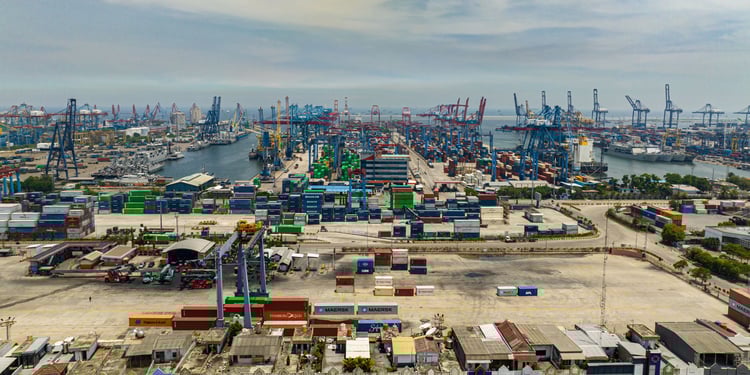
Tanjung Priok in Jakarta remains Indonesia’s busiest port, handling over half of the country’s maritime cargo. Its New Priok expansion will increase container capacity to 18 million TEUs and reduce dwell times through automation and digitalization. Faster truck turnarounds and deeper berths for large vessels improve reliability for exporters managing tight schedules.
In East Java, Tanjung Perak and its Teluk Lamong extension are adding capacity with eco-friendly operations, supporting Surabaya’s industrial corridor. Central Java’s Tanjung Emas is scaling up to serve furniture, textiles, and machinery exporters who previously relied on Jakarta or Surabaya. Further east, Balikpapan’s modernization positions it as a logistics hub for the new capital, Nusantara, and resource-based industries.
These upgrades collectively create more routing options and shorten inland hauls, giving businesses flexibility to align production with multiple ports and reduce congestion risk.
Roads Linking Industrial Corridors
The Trans-Java Toll Road now connects major industrial zones from Jakarta to Surabaya, enabling same-day factory-to-port moves that once took multiple days. Predictable trucking times allow manufacturers to reduce buffer stock and synchronize production with vessel schedules. This corridor also makes alternate ports like Semarang and Surabaya viable for exporters seeking flexibility.
In Kalimantan, the Balikpapan–Samarinda toll road has cut travel times by more than half, creating a reliable trunk for construction materials and project cargo tied to Nusantara.
These routes not only shorten transit times but also open opportunities to redesign distribution networks for efficiency. For supply chains, faster ground legs mean tighter planning windows and the ability to hold less inventory without sacrificing service.
SEZs Attracting Investment and Streamlining Trade
Special Economic Zones are pairing infrastructure with incentives to accelerate growth. Subang SEZ near Patimban Port targets automotive and electronics with tax holidays and bonded facilities. Batang Industropolis and Kendal SEZ in Central Java offer ready-to-use utilities and on-site customs clearance, while Gresik SEZ integrates industrial plots with port access for heavy and light manufacturing. Batam’s Nongsa Digital Park adds a tech dimension, focusing on data centers and creative industries.
Locating production in these zones means faster ramp-up, simplified compliance, and the ability to stage inventory closer to demand. These advantages help businesses meet tight delivery windows and reduce administrative delays.
Expeditors in Indonesia
- Air Transportation – Time-definite options, consolidation, and temperature-controlled services for growing air gateways like Cengkareng, Ahmad Yani, Yogyakarta International Airport, and Batam.
- Ocean Freight – FCL, LCL, and multimodal solutions across major ports including Tanjung Priok, Tanjung Emas, Tanjung Perak, and Batam.
- Customs Brokerage – In-house and approved third-party brokers with digital document management and compliance support.
- Ground – Multimodal and domestic intra islands and cities transportation services connected to our Global Network.
- Warehousing & Distribution – Warehousing integrated services with transportation and customs brokerage, enhanced by value-added services and technology platform.
- Project Cargo – Tailored solutions for oversized and heavy-lift shipments, critical for infrastructure and energy projects.
- Tradeflow – Compliance software for classification and documentation, ideal for SEZ operations.
Looking Ahead
Indonesia’s infrastructure transformation is creating faster, more reliable trade corridors and reducing supply chain risk through diversified gateways. Expanded airports, modernized ports, and new toll roads compress transit times, while SEZs offer tax incentives and streamlined customs clearance for manufacturers. For businesses, this is the time to rethink routing strategies, mode mix, and inventory positioning to capture these gains.
To learn how these developments can benefit your supply chain and how we can support your supply chain operations in the Indonesia market, contact your local Expeditors representative today.